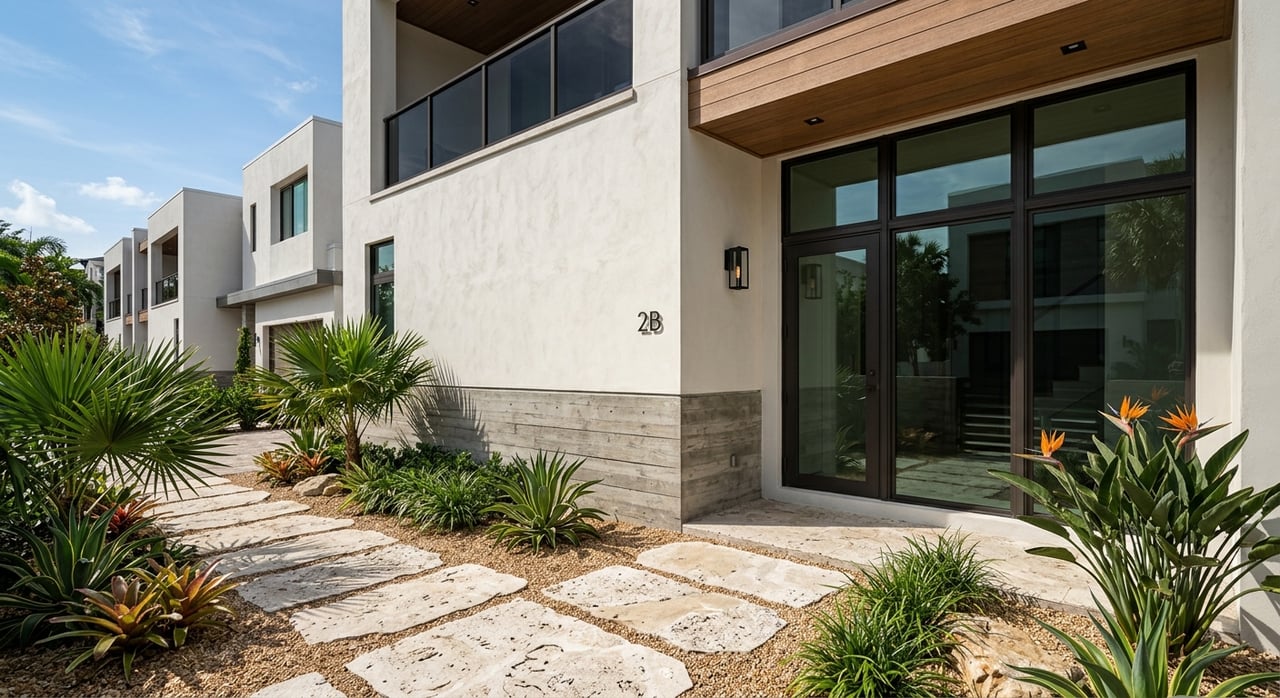
Thinking about simplifying your next chapter without giving up the Florida lifestyle? Venice stands out because it offers a walkable downtown, beach access, and long connected trails, all in a setting that can support a lower-maintenance routine. If you are weighing a condo, townhome, or easier-care single-family home in Venice, the key is to look past the marketing and focus on what daily life and true upkeep will actually look like. Let’s dive in.
Why Venice fits a simpler lifestyle
Venice has a layout that works well if you want convenience built into your day. The city’s historic downtown connects to Venice Beach by way of West Venice Avenue, and Venice Beach is a short walk from downtown. That kind of proximity can make errands, dining, and beach time feel much easier to manage.
The city also offers 14 miles of Gulf beaches with public amenities that support a more relaxed routine. Free parking, lifeguards, boardwalks, picnic areas, and trail access can help you spend less time planning logistics and more time enjoying where you live.
If you want to drive less, trail connectivity is another major advantage. Venetian Waterway Park links to the Legacy Trail at the historic Venice Train Depot, creating almost 23 miles of uninterrupted trails. For many buyers, that means more options to walk or bike for recreation and daily outings.
Choose the right low-maintenance property
Low maintenance can mean very different things depending on the property type. In Venice, the right fit often comes down to how much exterior upkeep you want to avoid, how comfortable you are with association rules, and how much control you want over the property itself.
Condos in Venice
A condo can be appealing if you want the association to handle many shared building responsibilities. Under Florida law, maintenance of common elements is generally the association’s job, although the declaration may assign some limited common elements to the unit owner.
That detail matters more than many buyers expect. Responsibilities tied to hurricane protection, such as shutters, windows, and related costs, can also be assigned through the declaration. Before you make an offer, you should confirm exactly who handles what.
If you are looking at an older or larger condo building, governance and reserves deserve close attention. In Florida, condominium and cooperative buildings that are three habitable stories or higher must meet milestone inspection requirements by the year they turn 30 and every 10 years after, and qualifying condo buildings must also have structural integrity reserve studies at least every 10 years.
Townhomes and HOA communities
Townhomes and HOA-governed single-family homes can also offer easier upkeep, but the term maintenance-free should not be taken at face value. In Florida, the true maintenance scope is defined by the governing documents and rules, not by listing language.
That means you need to review the declaration, bylaws, rules, and association records carefully. Some communities may cover exterior features and landscaping, while others place more responsibility on the owner.
Rules can also shape how flexible the property feels. If you plan to keep a boat, RV, or visible features like artificial turf, check the regulations early because Florida HOA law allows associations to regulate many items visible from the parcel frontage or adjacent common areas.
Low-maintenance single-family homes
A lower-maintenance single-family home can be a strong option if you want more privacy and control without taking on a large older property. This may appeal to buyers who like the idea of newer construction, simpler exterior care, or a smaller footprint without shared-building issues.
For some buyers, this path also avoids parts of the condo equation that have become more important in Florida, including building governance, inspections, and reserve funding. The tradeoff is that upkeep is often more directly your responsibility unless the home sits in an HOA community with defined maintenance services.
What to review before you buy
The smoothest moves usually happen when you gather the right records before emotions take over. A beautiful property can still become a high-maintenance surprise if you do not verify the financial, structural, and insurance picture.
Condo document checklist
If you are considering a condo, ask for:
- Official association records
- Current insurance policies
- Accounting records and financial reports
- Structural integrity reserve studies
- Inspection reports
These records can help you understand not only monthly dues, but also whether the building is planning well for future repairs. Reserve shortfalls matter because Florida’s financial reporting rules warn that underfunded reserves can lead to special assessments.
HOA and townhome document checklist
If you are considering a townhome or HOA-governed home, ask for:
- Declaration
- Bylaws
- Rules and regulations
- Board meeting minutes
- Annual financial report
- Current insurance information
Minutes and financials can be especially useful because they may show whether the association is discussing upcoming repairs, policy changes, or added expenses. That context can tell you a lot about how low-maintenance the property will feel after closing.
Venice location matters beyond the address
In Venice, lifestyle and maintenance are closely tied to location. Living near downtown, the beach, or connected trails can reduce the need for driving and make your routine easier, but coastal location also brings due diligence that should not be skipped.
The City of Venice has adopted FEMA flood zone maps and provides an address search tool, while Sarasota County notes that the area is vulnerable to coastal, riverine, and urban flooding. This is one of the most important checks you can make before buying.
Flood insurance is also a practical part of planning. Sarasota County notes that most homeowners insurance does not cover flood damage, flood insurance typically carries a 30-day waiting period, and federally regulated or insured mortgages may require flood insurance in high-risk zones.
If you are comparing two properties with similar appeal, flood zone, insurance implications, and ease of upkeep may be the deciding factors. A lower-maintenance move is not just about fewer chores. It is also about fewer surprises.
Historic character and exterior changes
Venice is known for its character, and that is part of the appeal for many buyers. The city has multiple historic districts and nationally recognized historic properties, which can add charm and long-term visual consistency.
If you are drawn to that setting, it is smart to ask early about any preservation considerations tied to exterior changes. For a design-minded buyer, this may be a benefit rather than a drawback, but you will want clarity before you plan renovations or updates.
Time your sale and purchase carefully
If you are downsizing into Venice, your move is not just a home search. It is also a timing exercise that affects taxes, cash flow, moving logistics, and stress level.
For Florida homesteaders, Sarasota County says portability may allow you to transfer some or all of your Save Our Homes benefit to a new homestead. Your previous homestead does not need to be sold, but it does need to be abandoned by all homesteaders, and the new homestead must be established within three assessment years.
That makes planning important if you want to protect tax benefits while transitioning to your next property. Sarasota County includes the DR-501T portability form as part of the homestead application process.
Your current home also needs to show well if you want a clean sale. Staging and decluttering still matter, and a consumer guide from the National Association of Realtors says 83% of buyers’ agents found staging made it easier for buyers to visualize the property as their future home.
The same guide notes that more than a quarter of real estate professionals reported staging brought 1% to 10% more value, and about half reported a shorter time to sell staged homes. If you are moving to simplify life, a well-prepared sale can make the entire transition smoother.
A practical move plan for Venice
If you want a lower-stress path, sequence matters. Starting with the right questions can help you avoid wasted time and focus on the homes that truly fit your next chapter.
A practical order looks like this:
- Choose the property type that matches your maintenance goals.
- Gather association records, reserve information, and inspection reports.
- Verify flood zone, insurance implications, and any location-specific risks.
- Align the sale of your current home with your purchase timing.
- Complete portability planning if it applies to your homestead exemption.
This kind of move tends to work best when you balance lifestyle goals with document-level review. In Venice, the appeal is easy to see. The smart part is making sure the property you choose is as simple to own as it is to enjoy.
If you are planning a move to Venice and want clear guidance on condos, custom homes, downsizing strategy, or the timing of a sale and purchase, Kona Realty can help you move with more clarity and less friction.
FAQs
What makes Venice, Florida appealing for a low-maintenance move?
- Venice offers a compact downtown, beach access, and connected trails, including links between downtown, Venice Beach, Venetian Waterway Park, and the Legacy Trail, which can support a simpler and more walkable routine.
What should you review before buying a Venice condo?
- You should request official association records, insurance policies, financial reports, reserve studies, and inspection reports so you can understand maintenance responsibilities, building condition, and the risk of future special assessments.
What does maintenance-free mean in a Venice HOA community?
- In practice, it depends on the governing documents, because the declaration, bylaws, rules, and association records define what the association maintains and what remains your responsibility.
What flood questions should you ask before buying in Venice?
- You should check the property’s flood zone, ask about insurance requirements and costs, and confirm whether the location may require flood insurance if you are using a federally regulated or insured mortgage.
Can you transfer homestead portability when moving within Sarasota County?
- Sarasota County says some or all of the Save Our Homes benefit may be transferred to a new homestead if the prior homestead is abandoned by all homesteaders and the new homestead is established within three assessment years.
How should you time the sale of your current home when moving to Venice?
- A smart approach is to choose the property type first, review association and inspection records, verify flood and insurance issues, and then coordinate your current-home sale with your purchase timing and any portability filing.