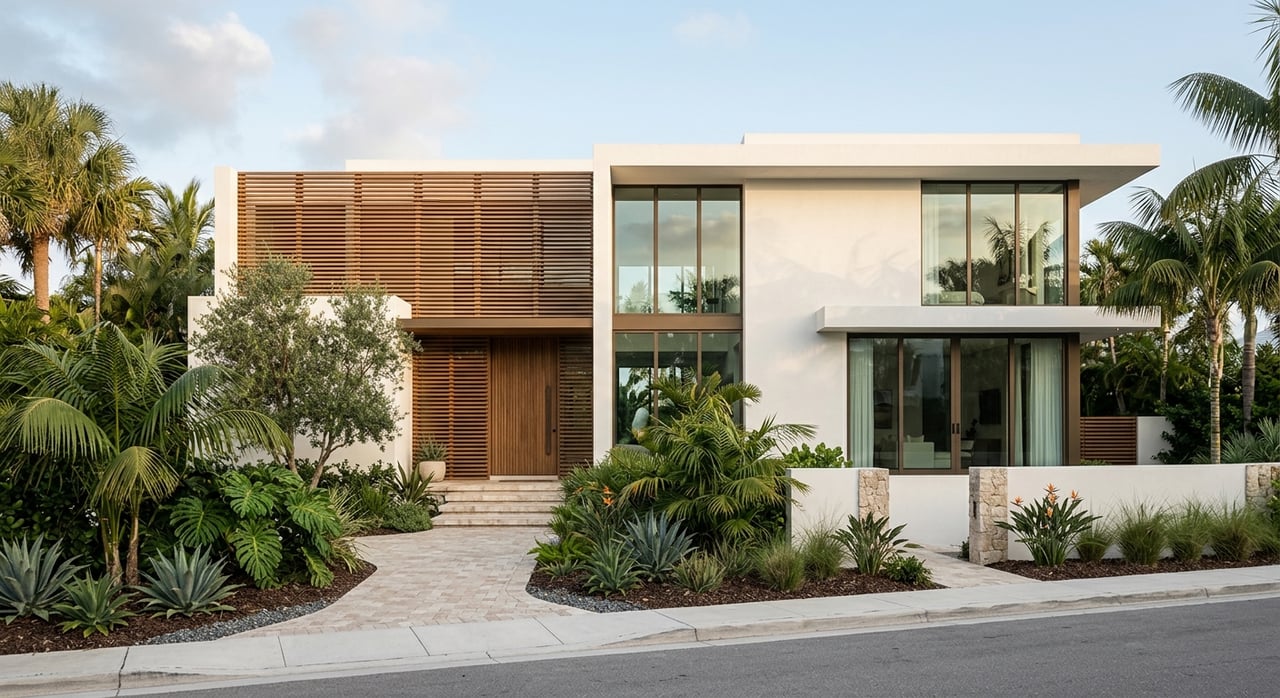
Dreaming about waking up near one of Florida’s most recognized beaches? Siesta Key can feel like a postcard, but daily life here is not just about soft sand and sunset photos. If you are considering a move, it helps to understand the real rhythm of the island, from beach access and Village convenience to crowds, weather, pricing, and storm planning. Let’s dive in.
Siesta Key at a Glance
Siesta Key is an 8-mile barrier island just off Sarasota, with four named areas: Siesta Beach, Crescent Beach, Turtle Beach, and Siesta Key Village. It feels more like a compact resort community than a large suburban area, which shapes almost everything about daily life.
The island is also a small, established residential market. In 2020, Siesta Key had 5,454 residents, with 53.6% age 65 or older, 7.3% under 18, and a 92.6% owner-occupied housing rate. That owner-heavy profile gives many parts of the island a more settled, residential feel than people expect from a well-known beach destination.
From a housing-cost standpoint, Siesta Key sits firmly in the premium tier. The median owner-occupied home value is $985,800, median monthly owner costs with a mortgage are $3,365, and median gross rent is above $3,500. If you are looking here, you are typically shopping in an upscale market.
Daily Life Feels Beach-Centered
On Siesta Key, the beach is not an occasional outing. It often becomes part of your routine. Many residents build their days around morning walks, midday breaks near the water, or sunset plans at the shoreline.
Siesta Beach is the island’s main anchor. Sarasota County says it features nearly 100% quartz-crystal sand, 950 free parking spaces, lifeguards seven days a week, concessions, beach wheelchairs, an access mat, and a free trolley connection. That level of access is a real advantage, but it also means you are living next to a beach that draws millions of visitors each year.
That is one of the biggest truths about life here. You get exceptional beach access, but you also share that setting with a steady stream of visitors. If you want a quiet, local-only beach town, Siesta Key may feel busier than you expect.
The Island Has Distinct Areas
Not every part of Siesta Key lives the same way. The island has a few clearly different pockets, and that matters when you are choosing where to buy or rent.
Siesta Beach Area
The area around Siesta Beach tends to feel active and central. You are close to one of the island’s biggest draws, and the daily pace can be lively, especially during busy seasons, weekends, and holidays.
If you like easy beach access and a more social atmosphere, this part of the island can be appealing. If you prefer a quieter routine, you may want to compare it with other sections before deciding.
Siesta Key Village Area
Siesta Key Village acts as the island’s social core. Visit Sarasota describes it as a small downtown a few blocks from the beach, with more than 100 shops, bars, restaurants, and hotels.
For many residents, the Village is less about nightlife and more about convenience. Coffee, lunch, groceries, dinner, dessert, and live music can all happen within a few blocks. That makes it one of the most practical areas for a walkable, low-car lifestyle.
Turtle Beach Area
The south end around Turtle Beach has a different character. Sarasota County describes Turtle Beach as tucked away, with beach access, a mangrove lagoon, birding, kayaking, fishing, picnic areas, a playground, and a campground.
In day-to-day terms, this side of the island tends to support a more nature-forward routine. If you picture a quieter setting with outdoor options beyond sunbathing, the south end may be a better fit than the busier central beach areas.
Village Living Is Convenient, but Busy
One of the biggest lifestyle advantages on Siesta Key is how much you can do near the Village. For the right buyer, being able to walk to coffee, casual dining, errands, and evening entertainment adds real value to everyday life.
The trade-off is traffic and parking pressure. Visit Sarasota notes that parking can be tricky during busy hours or holidays, and lots fill quickly in season. If you live near the Village, you will likely rely on walking, biking, scooters, golf carts, or the trolley more often than driving.
For some people, that is part of the appeal. For others, especially if you are used to easy parking and wide suburban roads, it can take an adjustment. Siesta Key works best when you lean into island logistics instead of fighting them.
The Free Trolley Helps
Getting around the island is easier than many first-time buyers expect. Sarasota County’s Route 77 Siesta Islander connects downtown Sarasota, Siesta Key Village, Siesta Beach, South Village, and Turtle Beach Park & Campground.
It runs free every day from 8 a.m. to 10 p.m. and is intended to help reduce traffic congestion. In real life, that means you can often plan beach trips, meals, and evening outings without moving your car.
That can be a major quality-of-life benefit, especially during peak season. If you are comparing properties, access to walkability and trolley stops can make a real difference in how convenient the home feels year-round.
Weather Shapes the Routine
Yes, Siesta Key offers beach weather for much of the year. But it is helpful to know what that really means in practice.
NOAA climate normals for the Sarasota-Bradenton area show monthly mean temperatures ranging from 62.4°F in January to 83.4°F in August. Rainfall is much lighter in late fall and winter, with November averaging 1.81 inches, and much heavier in summer, with August averaging 9.11 inches.
For daily living, winter and early spring are usually the most comfortable times for long beach days, outdoor dining, and extended time outside. Summer still supports an outdoor lifestyle, but people often shift routines around heat, humidity, and frequent rain.
That seasonal pattern matters if you are relocating from another climate. The island lifestyle is real all year, but your schedule may look very different in February than it does in August.
Housing Is Premium and Often Condo-Forward
Siesta Key housing tends to feel upscale, and many buyers start by comparing condos, beach houses, and waterfront properties. Based on the mix of housing referenced in the research, buyers often sort options into a few broad categories:
- Condos near the beach or Village
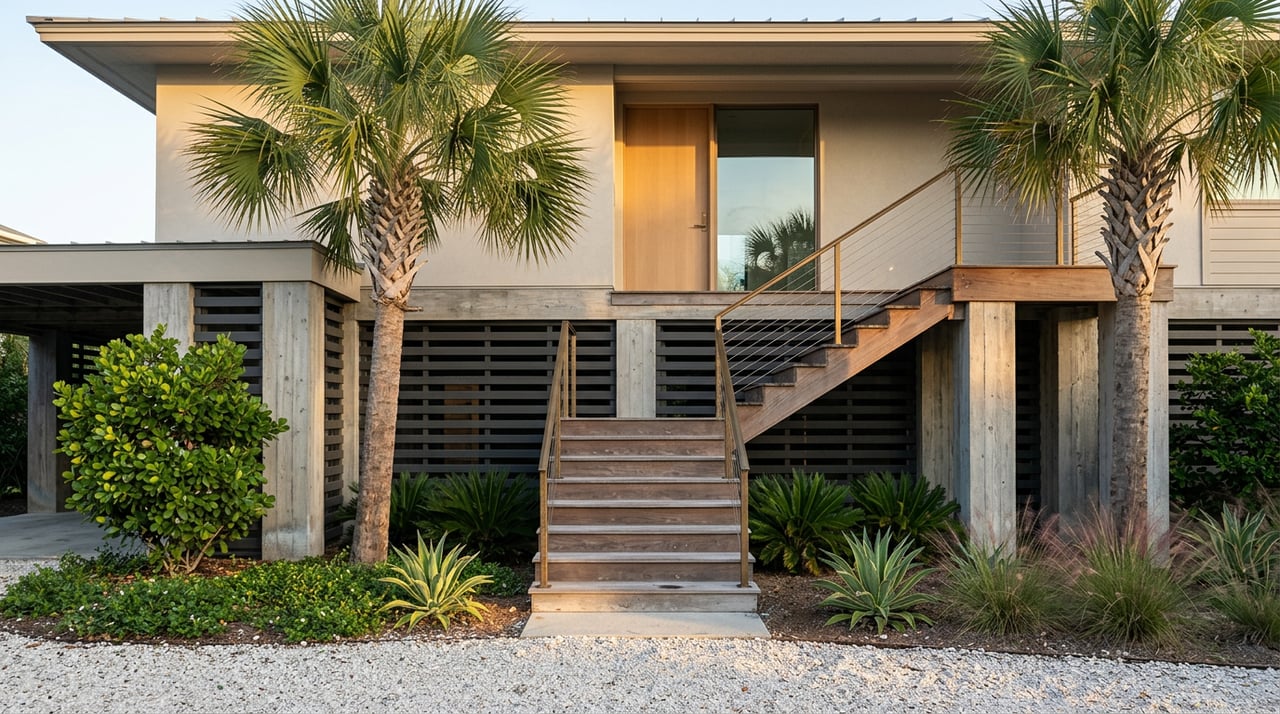
- Older beach houses and cottages
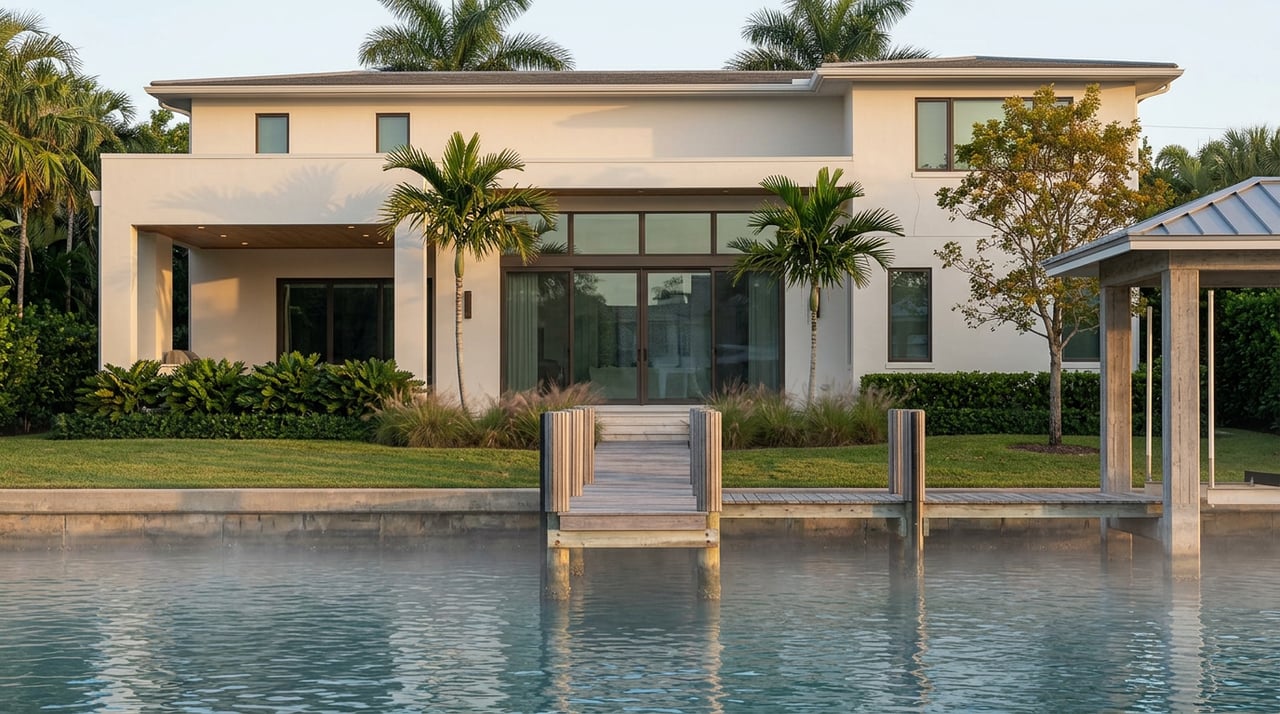
- Higher-end waterfront or view-oriented properties
That variety gives you options, but price and maintenance expectations are usually higher than in many mainland areas. If you want lower-maintenance living with close access to dining and the beach, a condo may be the right fit. If you want more privacy, outdoor space, or a custom-home path, your search may look very different.
This is where local guidance matters. On Siesta Key, the right purchase is not only about square footage or finishes. It is also about how you want to live, how often you will use the property, and how comfortable you are with barrier-island logistics.
Full-Time Living Is Possible, with Trade-Offs
A common question is whether Siesta Key is practical for full-time living. The short answer is yes, but only if the island’s realities match your priorities.
Walkability can be very good in and around the Village, though the island as a whole still benefits from trolley or car access. Crowds can be part of life, especially during seasonal peaks, busy weekends, and holidays. And housing costs are firmly in the premium range.
For many buyers, those trade-offs are worth it. You are choosing a lifestyle built around water, outdoor routines, and a compact island setting rather than a larger mainland footprint with easier everyday logistics.
Storm Planning Is Part of Island Life
This is one of the most important practical points. Barrier-island living comes with responsibilities that buyers should understand clearly from the start.
Sarasota County says residents in low-lying areas and barrier islands should evacuate when ordered, coastal roads can be underwater before a storm, and most homeowners’ policies do not cover flood damage. That means buying on Siesta Key is not just about views and location. It is also about preparedness and planning.
For many homeowners, that includes understanding evacuation expectations, insurance questions, and how a property’s location affects day-to-day resilience. A well-informed purchase here should account for both lifestyle and logistics.
What Living Here Really Feels Like
At its best, Siesta Key offers a polished coastal lifestyle with strong daily access to the beach, a compact social hub in the Village, and a setting that feels distinct from mainland Sarasota. You can build routines around coffee walks, beach time, sunset stops, and short trips to dinner without needing a major plan.
It is also not a hidden island. You will feel the popularity of Siesta Beach, especially in season. The buyers who tend to love it most are the ones who want the energy, beauty, and convenience of a high-demand coastal location and are comfortable with the cost and practical planning that come with it.
If you are considering buying on Siesta Key, the key is matching the property to your version of island living. Whether you are comparing a luxury condo, a waterfront residence, or a custom-home opportunity, having local guidance can help you weigh both the experience and the realities. To explore your options on Siesta Key and across Sarasota’s coastal market, connect with Kona Realty.
FAQs
What is daily life like on Siesta Key for full-time residents?
- Daily life on Siesta Key often centers on the beach, the Village, and outdoor routines, with full-time living best suited to people who are comfortable with higher housing costs, seasonal crowds, and barrier-island logistics.
Is Siesta Key walkable for people living on the island?
- Siesta Key is most walkable near Siesta Key Village, while other parts of the island are easier to navigate with the free trolley, a car, or other local transportation options.
Is Siesta Key crowded during the year?
- Siesta Key can feel crowded during busy hours, holidays, and peak seasonal periods, especially near Siesta Beach and the Village.
What types of homes are common on Siesta Key?
- Buyers on Siesta Key often compare condos near the beach or Village, older beach houses and cottages, and higher-end waterfront or view-oriented properties.
What should buyers know about weather on Siesta Key?
- Siesta Key has mild winters and hot, wetter summers, with winter and early spring generally offering the most comfortable conditions for long outdoor days.
What should homeowners know about storm planning on Siesta Key?
- Homeowners on Siesta Key should understand evacuation orders, flood-risk considerations, and the fact that most homeowners’ policies do not cover flood damage, according to Sarasota County.